The House Of Goodies
Bond Paper
Bond Paper
Couldn't load pickup availability
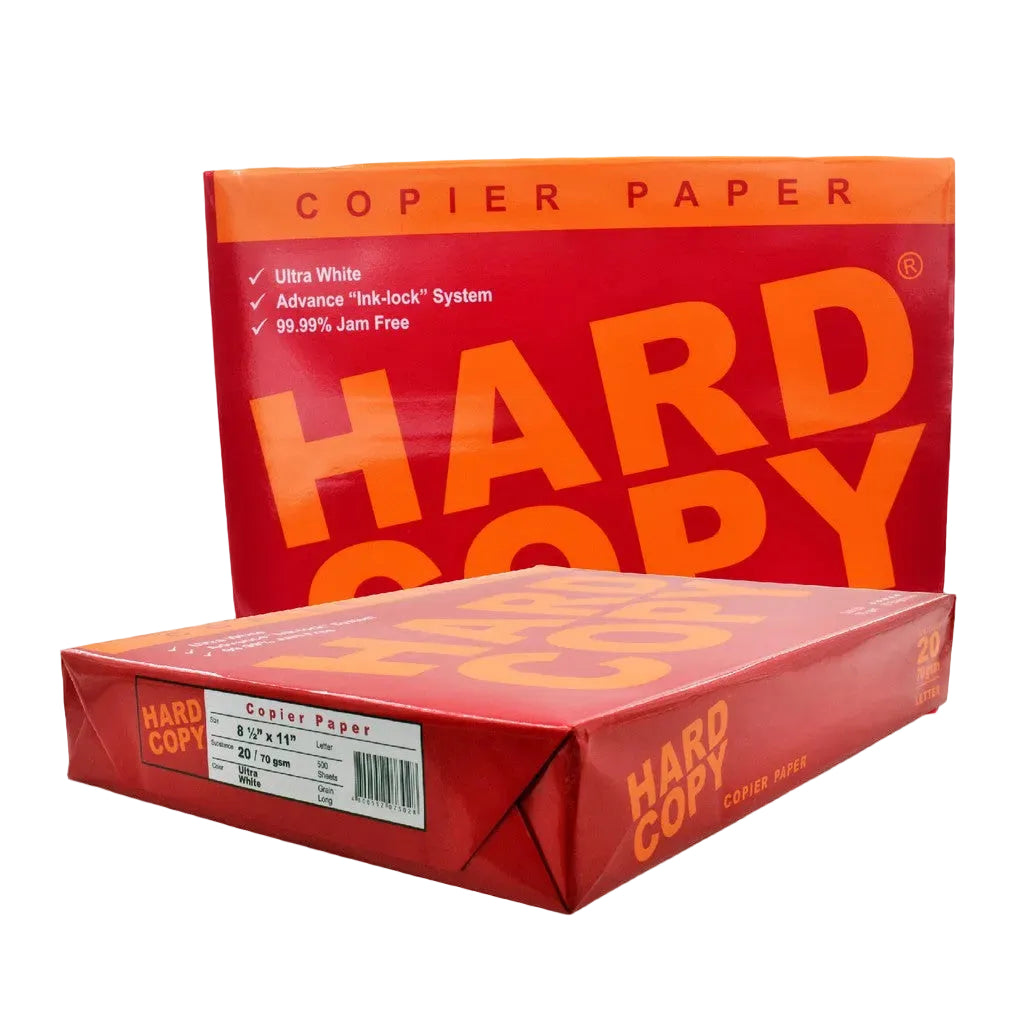
Bond paper and copy paper are functionally the same in modern office use. Both refer to multipurpose white paper available in 70/80/90 GSM for printing, photocopying, and documents. “Bond paper” is the traditional term, while “copy paper” is the machine‑optimized term — but today they are interchangeable.
In everyday office use, “bond paper” and “copy paper” refer to the same thing, but technically, they aren’t exactly identical in origin or classification.
In practice (office, printing shops, PH suppliers):
They are treated as the same product — the 70/80/90 GSM white sheets used for printing, photocopying, and documents.
Suppliers in the Philippines often label them interchangeably:
- “Bond paper 80gsm”
- “Copy paper 80gsm”
- “Multipurpose paper 80gsm”
Functionally, they behave the same in printers and copiers. Manufacturers now produce one multipurpose sheet that meets both specs, so the distinction has faded.
Standard Specifications
Sizes
- A4 – 8.5 x 11.75 inches (210 × 297 mm)
- Short (Letter) – 8.5 × 11 inches
- Long (PH Legal) – 8.5 × 13 inches
- Legal – 8.5 × 14 inches
Paper Weight (GSM / Basis Weight)
Bond/copy paper is typically categorized by GSM (grams per square meter):
- 70 GSM – Standard everyday printing; economical; used for bulk printing
- 80 GSM – Higher quality; better opacity; preferred for business documents
- 90 GSM – Premium feel; used for resumes, certificates, or double‑sided printing
In U.S. basis weight terms:
- 20 lb. bond ≈ 75 GSM
- 24 lb. bond ≈ 90 GSM
Thickness (Caliper)
Typical caliper values:
- 70 GSM → ~0.09 mm
- 80 GSM → ~0.10 mm
- 90 GSM → ~0.11 mm
Thicker paper reduces show‑through and improves durability.
Brightness
Brightness affects how white the paper looks and how sharp prints appear.
- 88–92 brightness – Standard office paper
- 94–98 brightness – High‑quality, crisp printing
Higher brightness = better contrast for text and images.
Opacity
Opacity determines how much print shows through the other side.
- 70 GSM → ~90% opacity
- 80 GSM → ~92–94% opacity
- 90 GSM → ~95%+ opacity
Higher opacity is ideal for double‑sided printing.
Grain Direction
Important for professional printing and folding:
- Long grain – Stronger along the long edge; preferred for most office printers
- Short grain – Used for specialty applications
Finish
- Uncoated – Standard bond/copy paper
- Smooth finish – Better for laser printers
- Matte – Reduces glare
- Textured (rare for bond) – Used for specialty documents
Color
- White (most common)
- Pastels (blue, yellow, green, pink) for forms or color‑coding
- Specialty colors for certificates or branding
Printer Compatibility
Bond/copy paper is designed for:
- Laser printers
- Inkjet printers
- Copiers
- RISO / duplicators
Typical Uses
- Office documents
- Reports
- Letters
- Photocopying
- Government forms
- School handouts
- Certificates (higher GSM)
Share